24/7 Offshore monitoring
Detect safety zone breaches, prevent collisions and safeguard operations with continuous monitoring from shore.

Increasing maritime traffic, expanding offshore infrastructure and complex operations at sea are putting pressure on safety and continuity.
Vessels regularly enter restricted zones around offshore installations, increasing the risk of collisions and damage.
Without continuous monitoring, operators lack real-time awareness of vessel movements and emerging risks.
Even minor incidents can lead to operational downtime, safety hazards and significant financial impact.
The solution
Royal Dirkzwager monitors vessel movements around offshore infrastructure 24/7 from shore. Our operators detect risks early, intervene when needed and help keep safety zones respected and operations running safely.
How it works
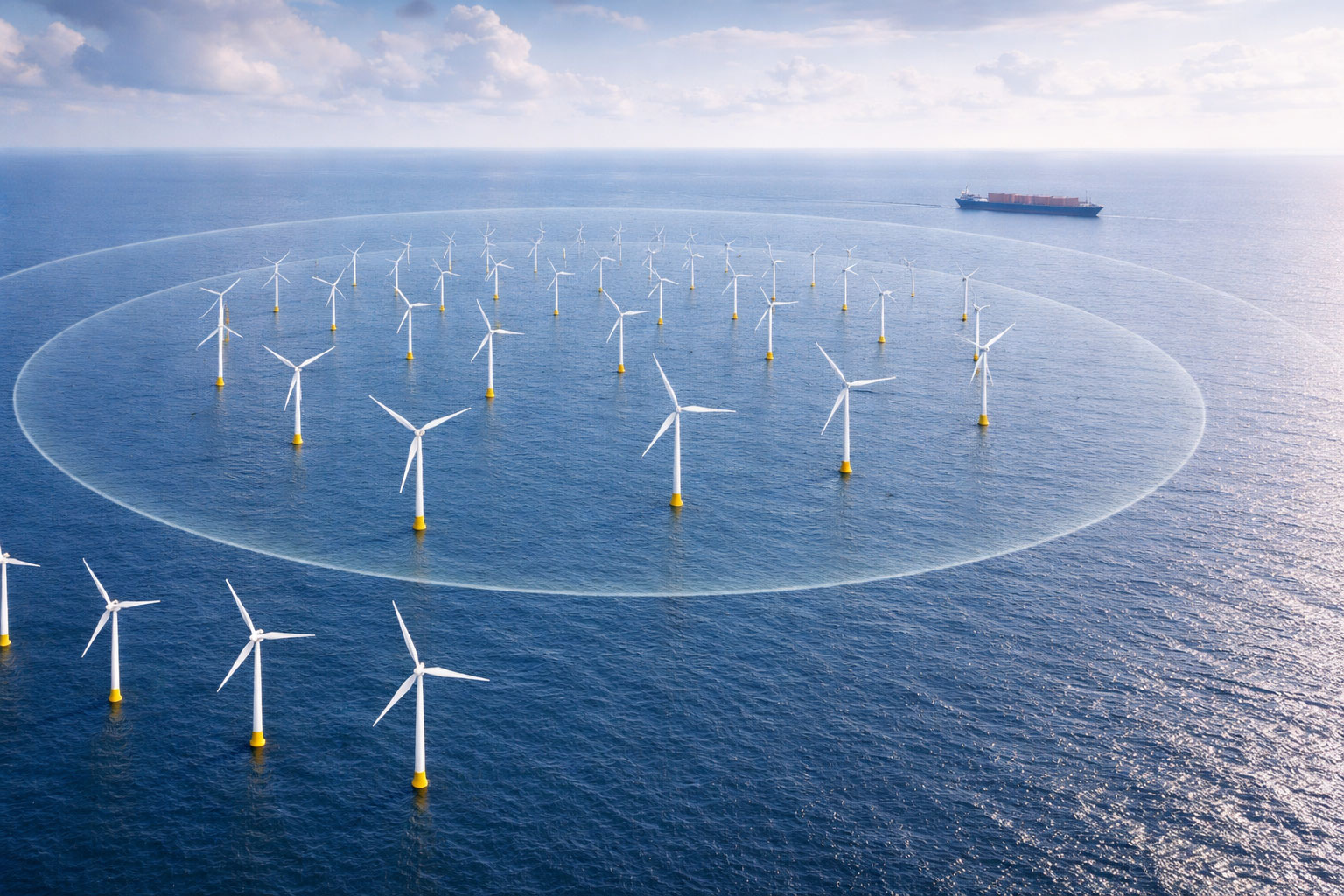
We monitor vessel movements around offshore infrastructure in real time, detect potential risks early and intervene before safety zone breaches or incidents occur.
Our operators continuously monitor vessel movements in and around your offshore asset from shore.
We assess position, course and movement patterns to identify vessels that may approach a restricted area.
If a vessel is on a dangerous course or nearing a safety zone, our operators immediately flag the situation.
We contact the vessel directly and advise corrective action to maintain a safe distance from the installation.
We continue monitoring the situation until the vessel is safely clear and the risk has been resolved.
From offshore wind and oil & gas to subsea infrastructure and emerging offshore developments, we tailor vessel traffic monitoring to the risks and requirements of each environment.
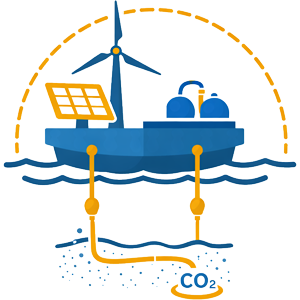
Monitoring for CCS, floating wind, floating solar and other emerging offshore asset types.
Reliable offshore monitoring, delivered from a fully redundant control room by experienced maritime operators.
We monitor offshore vessel traffic 24/7 from our control room in Maassluis, ensuring continuous supervision of your offshore assets.
Redundant internet connections, backup battery systems and independent generator power help ensure uninterrupted monitoring.
Our trained operators continuously assess vessel movements and intervene when risks arise near offshore installations.
We combine live vessel traffic monitoring with modern maritime tools to support early risk detection and fast response.
As a Vissim Gold Partner, we work with advanced vessel traffic monitoring technology and stay up to date with the latest developments.
With deep roots in the maritime sector, we combine longstanding operational experience with today’s offshore monitoring requirements.